Skip navigation
Skip navigation

1

Early engagement with First Nations

2

First Nations rights in land and sea

3

Safeguarding cultural heritage

4

Negotiating access to land and sea country

5

Investing in First Nations Businesses and Suppliers

6

First Nations Land and Water Management

6.

Caring for Country: First Nations Land and Water Management

This section explains how First Nations are organised – in some cases via government programs – when it comes to land and water management, which can be different to representative organisations proponents are engaging with in regard to land rights, cultural heritage, native title, and so on.

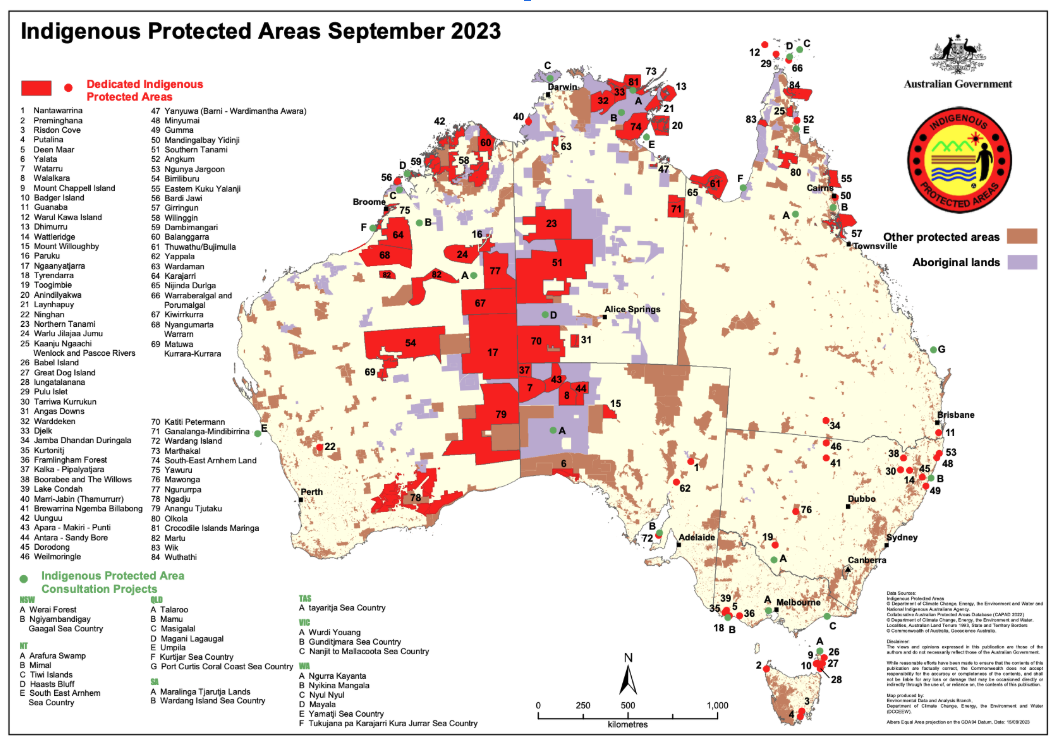
It provides an overview of Indigenous Protected Areas and First Nations Ranger Programs across the country.

We also highlight additional First Nations alliances working to protect Country.

Getting to know Indigenous Protected Areas

Indigenous Protected Areas (IPAs) are areas of land or sea that Traditional Owners have agreed to manage and protect in line with Traditional Owner objectives. 

IPAs are intended to support First Nations people’s right to self-determination under the United Nations Declaration on the Rights of Indigenous People by voluntarily managing land as protected areas.  

When Traditional Owners enter into an IPA agreement with the Australian Government, the parties negotiate and agree to an environmental and cultural plan specific to that area. 

Tools and mechanisms by which Traditional Owners manage IPAs include:

  • management planning processes (including Healthy Country Planning, based on Indigenous cultural values and governance)
  • establishing Indigenous land and sea management ranger groups
  • partnering with government agencies, non government organisations, neighbouring ranger groups, landowners, philanthropists and natural resource stakeholders. 

There are close to 100 IPAs in Australia.

Visit this interactive map showing the location of Indigenous Protected Areas, their administering bodies, and First Nations ranger groups in Australia.

Respecting First Nations rights in Indigenous Protected Areas

Significant for proponents, establishment of an Indigenous Protected Area (IPA) doesn’t change ownership or control of land. Proponents must still engage early with impacted First Nations groups and Traditional Owners in an intended project area if it’s in an IPA. 

First Nations rights are recognised to some extent in IPAs through a combination of legal and other effective means. ‘Legal’ mechanisms that may support Traditional Owner management of IPAs include:

  • legal ownership of lands
  • Indigenous customary resource use rights enshrined in legislation
  • protection of sacred sites and other cultural sites and areas through cultural heritage legislation
  • protection of significant species and habitats through biodiversity conservation and natural resource management legislation.

The Indigenous Ranger Program

The Commonwealth government’s Indigenous Ranger Program aims to assist First Nations people in managing Country according to Traditional Owners’ objectives. Rangers work in Indigenous Protected Areas, national parks, privately-held land, and on the sea.

Relevant to proponents, rangers may be able to deliver environmental services for a fee.

Funded by the Australian government, there are over 120 separate Indigenous Ranger groups in Australia, including the Women Only Ranger Program, the Indigenous Ranger Biosecurity Program, and the Junior Ranger Program.

This interactive map shows the location of First Nations ranger groups in Australia and their administering bodies.

Many jurisdictions also support ranger programs:

First Nations Alliances protecting Country

Some First Nations groups have come together as an alliance to protect and manage land and sea country in Australia, and relevant to proponents, may be open to forming partnerships or connecting developers to opportunities for clean energy development on Country.

First Nations alliances include, but are not limited to:

Aboriginal Carbon Foundation - supports carbon farming projects led by Indigenous rangers. It connects First Nations communities who supply carbon credits with organisations seeking to offset their carbon pollution, and also provides training for Indigenous rangers.

Balkanu Cape York Development Corporation - a not-for-profit trustee entity supporting the economic development of the First Nations people of Cape York, individuals and communities to achieve self-determination in Far North Queensland.

Country Needs People - a not-for-profit alliance with over 41 Aboriginal and Torres Strait Islander land and sea management organisations advocating for the growth of Indigenous Protected Areas and Indigenous ranger programs

Federation of Victorian Traditional Owner Corporations - an alliance of Traditional Owner Corporations in Victoria. 

Firesticks Alliance - invests in people, education, and on-ground land management.

First Nations Heritage Protection Alliance - is working to reform Australia’s cultural heritage legislation and protection.

Fitzroy Catchment Traditional Owners Alliance - with representatives from 17 Traditional Owner groups in the Fitzroy Catchment in Central Queensland, it’s advocating for action, knowledge sharing and collective decision-making on whole-of-Basin issues, and to work on establishing respectful partnerships with key stakeholders. 

Indigenous Carbon Industry Network - responsible for managing and making decisions regarding carbon/nature-repair projects (including the right to veto projects) across approximately 50% of Australia’s landmass. 

Murray Lower Darling Rivers Indigenous Nations - is focussed on caring for rivers and achieving water rights for First Nations. 

North Australian Indigenous Land and Sea Management Alliance - supports Indigenous Land and Sea Managers across north Australia through the delivery of small and large scale projects.

Ropa Woda Governance Council: Living Spirit, Living Water - united traditional First Nations people from the Roper River aiming to protect the Roper catchment in the NT, including the groundwater and floodplains.

Sea Country Alliance - brings together Traditional Owner groups with regulatory and cultural responsibilities for Sea Country, ensuring Traditional Owner voices are heard in decision-making about Sea Country.

Torres Cape Indigenous Council Alliance - represents 16 of Queensland’s 17 First Nations local governments, as well as Cook Shire Council and Weipa Town Authority, representing the common interests of local governing bodies within the region.

Western Cape Futures Association - a First Nations–led alliance advancing sovereign capability, clean energy, and regional development across Far North Queensland and the Torres Strait. 


There are also numerous Indigenous Ranger groups across the country that provide land and sea management services to Australia.
This Toolkit is subject to change and improvement as more information becomes available. To report content updates or broken links, please click here.